

What Should a First-Time Homebuyer Know Before Visiting a Property?
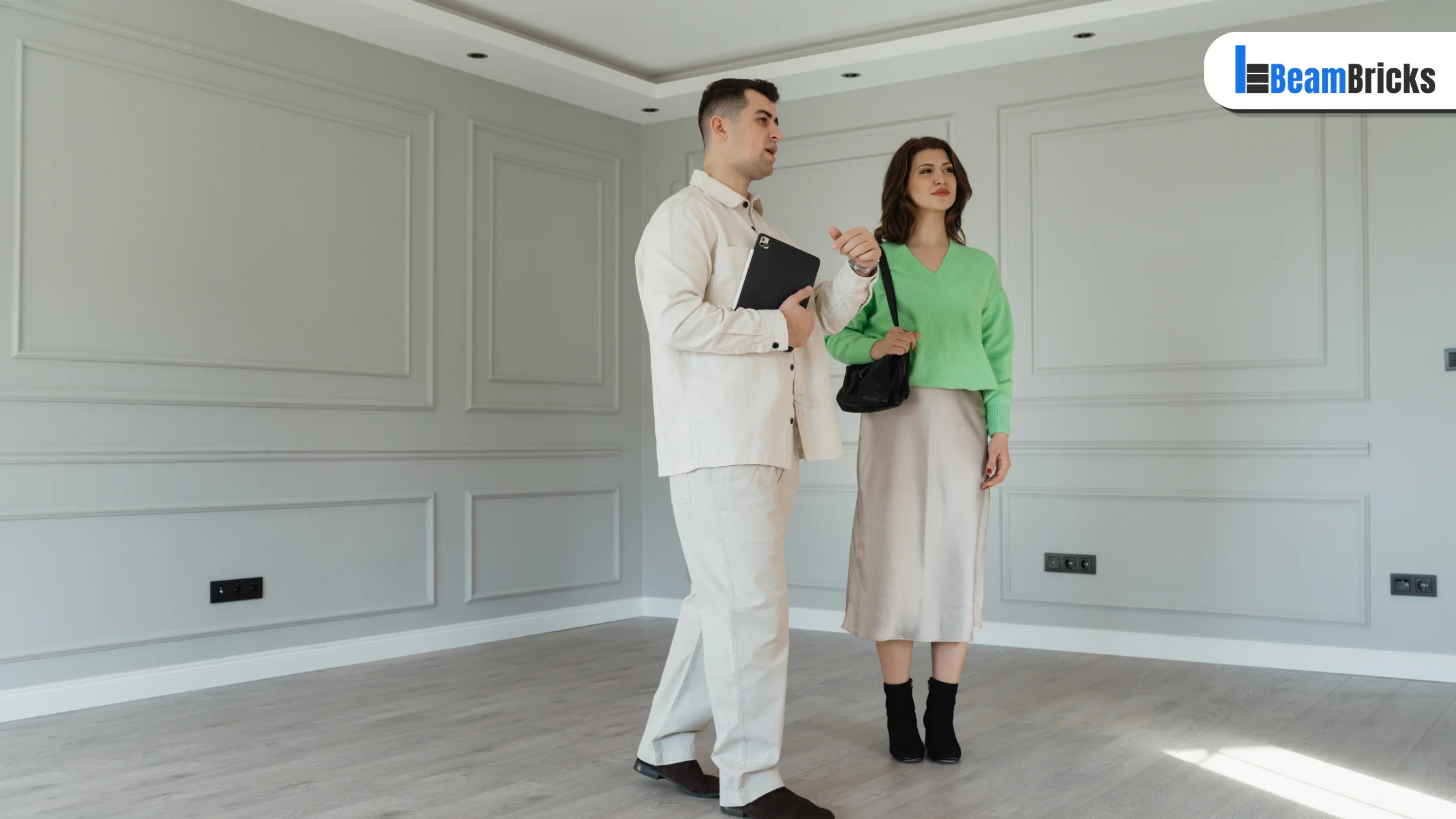
Buying a home for the first time can feel exciting – but the first property visit can also be surprisingly confusing.
A property may look excellent in photographs. The rooms may feel spacious, the interiors may be attractive, & the asking price may seem reasonable. But once you actually visit – you may notice things that were not obvious online — “the road outside, parking limitations, room proportions, natural light, ventilation, surrounding noise or even how well the property fits your everyday needs.”
That is why – a first property visit should not be treated as a final buying decision.
It is an opportunity to understand the property in person – ask the right questions and decide – whether it deserves a closer look.
Quick Answer
Before visiting a property for the first time – a buyer should know their budget, preferred location, property type, minimum space requirements and essential needs.
During the visit, pay attention to the – “exact location, layout, usable space, natural light, ventilation, construction condition, parking, access and surroundings.” Ask for important property information and supporting documents – but remember that verbal answers during a viewing are not a substitute for proper document and legal verification.
The purpose of the first visit is usually to answer one question:
“Does this property deserve further evaluation?”
Not:
“Should I buy it today?”
1. Know What You Are Looking For Before You Visit
One of the easiest mistakes for a first time buyer is – visiting a property without clearly defining what they need.
Before scheduling a visit, write down the basics:
- Maximum budget
- Preferred locality or areas
- Property type
- Minimum number of bedrooms
- Approximate size requirement
- Parking requirement
- Preferred floor
- New or resale preference
- Important amenities or features
- Any non-negotiable requirement
Then separate these into two groups:
Must-haves
These are requirements you are unlikely to compromise on.
For example –
- Two bedrooms
- Dedicated parking
- A particular locality
- Maximum budget
- Easy road access
Nice-to-haves
These are features you would like but could live without.
For example –
- Balcony
- Modular kitchen
- Extra storage
- Higher floor
- Better interiors
This distinction becomes extremely useful – once you start visiting properties.
Otherwise, a beautifully furnished home can make you overlook the fact – that it does not actually meet your basic requirements.
If you are still at the search stage – our guide on Why Your Property Search Should Start With Your Requirements, Not Listings can help you create a more practical starting point.
2. Understand the Basic Property Details Before Going
You do not need to know everything – about the property before visiting it.
But you should know enough – to make the visit meaningful.
Try to establish basic information such as:
- Exact location
- Property type
- Number of bedrooms
- Approximate area
- Whether the area mentioned is carpet area, built-up area or another measurement
- New or resale
- Approximate age, where applicable
- Floor
- Parking availability
- Asking price
- Whether there are additional charges – you should know about
If these basics are unclear – ask before spending time travelling to the property.
For example, a buyer looking for a 3 BHK may not want to spend time visiting a property that is being marketed as 3 BHK – but has significantly different usable space from what they expected.
The more clearly you understand the basic facts – the more useful the actual visit becomes.
3. Look at the Exact Location, Not Just the Property
A home does not exist – in isolation.
The location you see in a listing photograph – may tell you very little about what it feels like to live there.
When you reach the property – look around.
Consider:
- Road width and approach
- Ease of entry and exit
- Nearby construction
- Traffic and noise
- Street condition
- Surrounding buildings
- Parking situation
- Nearby shops and daily conveniences
- General neighbourhood environment
- Distance and practical access to places important to your family
This is particularly important – when comparing properties in different parts of Faridabad.
A builder floor in Sainik Colony – for example, should not be evaluated only on its interiors and quoted price. The exact – street, access, parking situation, surrounding development & everyday convenience – can make a meaningful difference.
The locality name gives you – a starting point.
The exact location tells you – much more.
4. Walk Through the Property Slowly
During a first visit – do not rush from room to room.
Try to experience the property – as you would use it.
Start from the entrance and move through:
Entrance → Living Area → Kitchen → Bedrooms → Bathrooms → Balcony → Parking → Surroundings
As you move around, ask yourself –
- Does the layout make sense for my family?
- Can furniture actually fit comfortably?
- Are the rooms usable or only visually spacious?
- Is there enough storage?
- Does the kitchen work practically?
- Are the bathrooms positioned conveniently?
- Is there sufficient privacy between rooms?
- How does the property feel when you move through it?
A floor plan can help you understand dimensions – but walking through the property tells you something different.
You begin to understand how the spaces connect.
5. Do Not Confuse Attractive Interiors With a Good Property
This is one of the biggest traps for first-time buyers.
A property can have:
- Designer lighting
- False ceilings
- Expensive furniture
- Modern wardrobes
- A stylish modular kitchen
- Fresh paint
- Decorative walls
And still not be the right property for you.
Try looking beyond the presentation.
What may attract you first | What you should actually evaluate |
Fresh paint | Overall condition |
Beautiful furniture | Usable space |
Designer lighting | Natural light |
False ceiling | Ceiling height and room proportions |
Modular kitchen | Kitchen layout and practicality |
Decorative walls | Wall condition and construction quality |
Spacious-looking photographs | Actual dimensions |
Furnished bedrooms | Bedroom usability |
Attractive balcony | Privacy, size and practical use |
Low-looking asking price | Total cost |
You do not have to ignore good interiors.
They can absolutely add value & comfort.
The point is simply not to let cosmetic features make the decision for you.
Our guide on How to Evaluate a Property Without Getting Distracted by Interiors goes deeper into this distinction.
6. Pay Attention to Natural Light and Ventilation
Photographs are particularly poor at showing – how a home feels throughout the day.
During your visit, notice –
- Which rooms receive natural light?
- From which direction?
- Are bedrooms adequately ventilated?
- Does the kitchen have proper ventilation?
- Are bathrooms ventilated?
- Does the living area feel closed or open?
- Are neighbouring buildings blocking light or airflow?
If possible – understand how the property may feel at different times of the day.
A bright living room during one viewing – may not tell you “how the bedrooms feel in the morning or afternoon.”
This does not mean every room needs perfect sunlight all day.
It means you should understand the property’s actual light and ventilation conditions – before becoming emotionally attached to it.
7. Check Parking and Everyday Access
Parking is easy to overlook when you are focused on the home itself.
Do not.
Ask where you would actually park your vehicle.
Then look at:
- Whether parking is dedicated or shared
- Parking dimensions
- Ease of entering and exiting
- Turning space
- Access to the property
- Staircase or lift access
- Whether elderly family members can comfortably enter
- Whether the parking arrangement matches what was described
For a family buying a builder floor or independent house – these practical details can matter every day.
A property that looks excellent inside can become frustrating – if basic access and parking do not work for your household.
8. Notice the Things You Cannot Easily Change
During a viewing – mentally separate features into two categories.
Things you can usually change
- Paint
- Lighting
- Furniture
- Curtains
- Certain fixtures
- Some storage solutions
- Decorative elements
Things that are much harder to change
- Location
- Road access
- Overall layout
- Room proportions
- Natural light limitations
- Ventilation limitations
- Parking constraints
- Surrounding development
- Neighbourhood characteristics
This is a useful filter when emotions start taking over.
You may dislike the curtains.
That is not necessarily a serious problem.
But if the bedroom is too small for your furniture or the parking arrangement does not work – that is a different conversation.
9. Ask Questions During the Visit
Do not feel uncomfortable – asking questions.
A property visit is not only for looking around. It is also for collecting information.
Depending on the property, you may want to ask:
About the property
- What is the exact area?
- What type of area measurement is being quoted?
- Is it new or resale?
- How old is the property?
- Which floor is it on?
- What parking comes with it?
- Are there any significant maintenance or construction issues?
About the price
- What is the asking price?
- What does the quoted price include?
- Are there additional charges?
- Are there any costs the buyer should account for separately?
About ownership and documents
- Who is the owner?
- What ownership documents are available?
- Is the property registered?
- Are there any known loans, encumbrances or disputes?
- Are relevant approvals and property records available?
These questions help you identify – what needs to be investigated later.
However, remember an important distinction –
Asking a question is not the same as verifying the answer.
A first visit is not a legal due diligence exercise. Ownership, title, encumbrances, approvals, registration status and other legal matters – should be independently verified through appropriate documents and qualified professionals before making a purchase commitment.
10. Take Notes Instead of Trusting Your Memory
If you visit three or four properties in a week – they can start blending together.
The house with the larger bedroom becomes the house with the better parking.
The property with better light becomes the one you remember as having the better layout.
This is why simple notes are useful.
After every visit, record:
What I Like
For example –
- Good location
- Practical layout
- Good natural light
- Dedicated parking
What Concerns Me
For example –
- Narrow approach road
- Small second bedroom
- Limited ventilation
- Unclear additional costs
What I Need to Verify
For example –
- Exact area
- Ownership documents
- Parking arrangement
- Additional charges
- Property approvals or records
This simple three-part note can make your later comparison much more objective.
11. Take Photos or Measurements Where Appropriate
If permitted – take a few photographs for your own comparison.
You may also note approximate dimensions or measurements that matter to you.
For example:
- Bedroom width
- Wardrobe space
- Kitchen size
- Balcony dimensions
- Parking dimensions
- Living room proportions
You do not need to photograph every corner.
Focus on details you are likely to forget.
And if the property is occupied or someone else’s personal belongings are present – respect privacy & ask before taking photographs.
12. Do Not Feel Pressured to Decide During the First Visit
This is especially important for – first time buyers.
You may hear statements such as:
- “There is a lot of interest.”
- “You need to decide quickly.”
- “Someone else is coming to see it.”
- “This price is only available today.”
Sometimes a property really can have competing interest.
But pressure should not replace evaluation.
Your first visit should ideally answer:
Does this property deserve further consideration?
If yes, you can investigate further.
If no, move on.
There is nothing wrong with leaving a property without making an offer.
In fact, learning to walk away from a property that does not fit your requirements is an important part of becoming a better buyer.
13. When Does a Property Deserve a Second Visit?
A second visit makes sense when the property has passed your basic filters – but you still have questions.
Consider another visit if:
- The location works
- The property meets your essential requirements
- The price appears to be within your range
- The layout works for your family
- There are no obvious deal-breakers
- You have unanswered questions
- You want to see it at a different time of day
- Another family member needs to see it
- You need to assess parking or access more carefully
A second visit can also be useful before making a serious financial commitment.
At that stage – you can combine your observations with document verification, professional advice & a more detailed comparison with other properties.
14. First-Time Buyers Often Notice the Wrong Things
There is nothing unusual about being attracted to a beautiful home.
The problem begins – when attractive features receive more attention than important ones.
A first-time buyer may notice:
“The living room looks beautiful.”
An experienced buyer may also ask:
“Will my furniture fit here?”
A first-time buyer may notice:
“The kitchen looks premium.”
A more practical question is:
“Does the kitchen layout work for how we actually cook?”
A first-time buyer may notice:
“The property feels spacious.”
The next question should be:
“What is the actual usable space?”
That shift in thinking is one of the most useful things – a new buyer can learn.
What Should You Take to a First Property Visit?
You do not need a professional inspection kit – for an initial viewing.
A simple setup is enough:
- Phone
- Property details/listing
- Notes app or notebook
- Measuring tape, if useful
- List of must-haves
- Budget range
- Questions you want answered
- Another family member, where appropriate
The most important thing you bring is not equipment.
It is a clear understanding of – what you are looking for.
How Long Should a First Property Visit Take?
There is no fixed ideal duration.
A small property that clearly does not meet your requirements – may only need a short visit.
A property that appears promising may deserve more time.
Instead of asking, “How long should I stay?”, ask:
“Have I seen enough to understand whether this property deserves further evaluation?”
Take enough time – to look beyond the obvious rooms.
Check the “approach, parking, layout, light, ventilation & surroundings.”
If the property continues to look suitable after that – you can decide whether a second, more detailed visit – is worthwhile.
A Simple First Property Visit Framework
If you are a first-time buyer, keep this five-step framework in mind –
Before the visit
Know your requirements.
On arrival
Check the exact – location and surroundings.
Inside the property
Evaluate “layout, usable space, light, ventilation and condition.”
During the conversation
Ask questions and note “what needs verification.”
Before leaving
Decide whether the property deserves a “second look.”
This keeps the first visit focused – without making it unnecessarily complicated.
A First Visit Is Not the Same as Due Diligence
This distinction deserves – emphasis.
A property viewing can help you assess its physical suitability.
It cannot, by itself, establish that a property has:
- Clear title
- No undisclosed encumbrances
- Complete approvals
- Valid ownership
- No legal dispute
- Proper registration
- Structurally sound construction
Those matters require – appropriate documentation, verification & where necessary, professional advice.
So do not treat a pleasant conversation at a property visit as proof – that everything is legally or financially safe.
The visit is one stage of the buying process.
It is not the entire process.
How This Applies When Buying Property in Faridabad
The same framework can be applied – whether you are looking at a builder floor, independent house, plot or another residential property in Faridabad.
For example, someone considering a 2 BHK builder floor in Sainik Colony may want to pay particular attention to the exact street, floor, parking, room layout, natural light and surrounding development.
Another buyer comparing an independent house in one Faridabad locality – with a builder floor in another should look beyond the headline price.
The properties may serve very different needs.
That is why a first visit should always be connected to your own requirements.
The goal is not to find the most attractive property you can visit.
It is to find a property that makes sense for you.
What Should a First-Time Homebuyer Do After the Visit?
Do not immediately start scrolling – through more listings.
First, review what you observed.
Ask:
- Did the property meet my essential requirements?
- Did the exact location work for me?
- Did the layout make sense?
- Was the usable space sufficient?
- Did light and ventilation meet my expectations?
- Was parking practical?
- Were there any obvious concerns?
- Did I understand the major costs?
- What information still needs to be verified?
- Is this property worth comparing with other options?
Then compare it with the other properties you have seen.
A property should not become your favourite simply because it was the last one you visited.
The Property Buying Journey Should Be Bigger Than the First Visit
For a first time buyer, the process can be thought of as –
Requirements → Search → Shortlist → Visit → Evaluate → Compare → Verify → Decide
The first visit sits somewhere – in the middle.
That matters.
You do not need to solve every question during the first viewing.
You need to gather enough reliable information to decide what happens next.
This approach can also prevent a common problem in property searches – visiting too many properties without actually improving the quality of your shortlist.
Our guide on 7 Property Search Mistakes That Waste a Buyer’s Time explores this problem in more detail.
How BeamBricks Approaches Property Search
At BeamBricks, we believe property search should begin with the buyer’s requirements rather than a random collection of listings.
The objective is not to show you as many properties as possible.
It is to help you explore options that are relevant to what you actually need – so that your time spent visiting properties becomes more productive.
That means understanding factors such as:
- Budget
- Location
- Property type
- Size
- Bedrooms
- Parking
- Family requirements
- New or resale preference
- Other essential priorities
From there, suitable options can be explored, compared and evaluated more systematically.
We don’t sell properties. We filter them for you.
The final decision remains yours.
And that is exactly how it should be.
Final Takeaway
Your first property visit is not a test of whether you can recognise a beautiful home.
It is a test of – whether you can look beyond the presentation and understand whether the property actually fits your requirements.
Go in knowing what you need.
Look at the location as carefully as the interiors.
Pay attention to – “layout, usable space, light, ventilation, parking and surroundings.”
Ask questions.
Take notes.
Separate what you know from – what still needs to be verified.
And most importantly, do not feel that you have to make a buying decision simply because you visited the property.
A good first visit should leave you with better information — not more confusion.
Frequently Asked Questions
A first time buyer should know - their "approximate budget, preferred locations, property type, minimum space requirements & essential features before visiting." They should also understand - the basic details of the property they are going to see.
A phone, notes app or notebook, property details, your requirement list and a few questions - are usually enough. A measuring tape can also be useful - if you need to check "particular spaces."
Ask for the property's - exact location, type, approximate area, number of bedrooms, new or resale status, floor, parking arrangement & asking price. Clarify any major information - that would make the property unsuitable before travelling to see it.
Start with the exact "location & approach" - then evaluate the property's - layout, usable space, natural light, ventilation, condition, parking and surroundings. Do not focus only on - interiors.
Usually, the first visit should be used to decide - whether the property deserves further evaluation. A purchase decision should generally involve - comparison, cost assessment, document verification and appropriate due diligence.
There is no fixed duration. Stay long enough to understand "the property, its layout, access, parking, light, ventilation & surroundings." A property that appears promising may justify a second - more detailed visit.
A second visit can be useful - if the property meets your requirements but you still have questions. You may also want to see it - at a different time of day or have another family member evaluate it.
Record - what you liked, what concerned you and what still needs verification. Also note important facts - such as "price, usable space, parking, location and features that matter to your decision."
You can ask - what ownership and property documents are available and whether there are known loans, encumbrances, disputes or other issues. However - asking about documents is not the same as verifying them. Proper document & legal due diligence should be completed before making a "purchase commitment."
Use your requirements as a filter. Separate must haves from nice to haves and record concerns immediately - after the visit. Comparing properties using the same criteria - can also reduce the influence of attractive interiors or emotional reactions.
Do not ignore the uncertainty simply because you like the property. Record the question, obtain the relevant information or documentation & verify it before moving forward.
One common mistake is focusing too heavily on how the property looks - while overlooking practical factors such as exact location, layout, usable space, parking, ventilation, total cost and future suitability.
Share: