

7 Property Search Mistakes That Waste a Buyer's Time
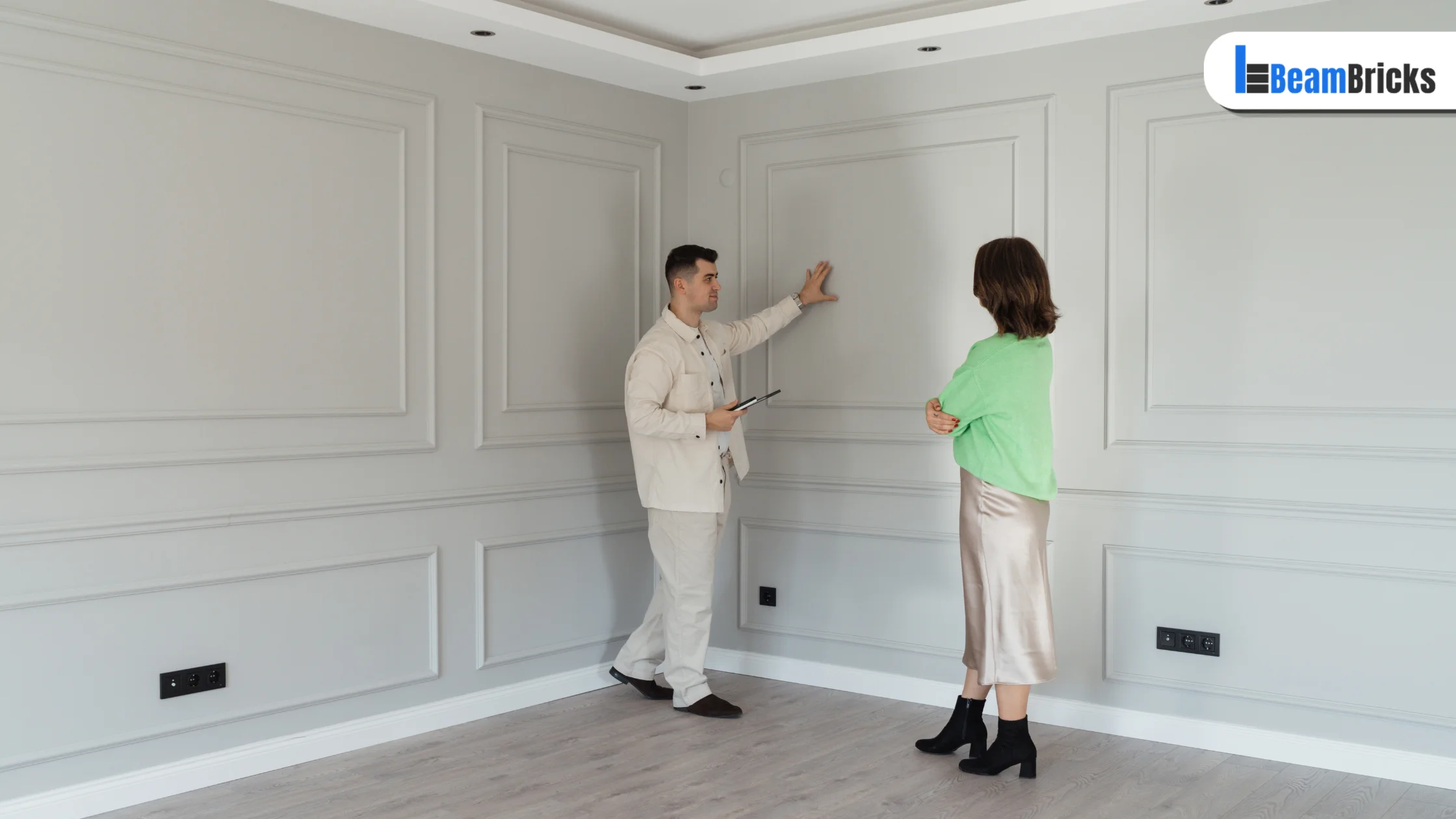
7 property search mistakes can waste hours and lead to unsuitable options. Many buyers begin their property search by – opening listing portals, scrolling through dozens of properties and saving anything that looks attractive.
It feels productive.
But seeing more properties does not necessarily mean getting closer to the right one.
A property search becomes much more manageable – when you know what you are looking for, understand which factors matter most, and filter unsuitable options before spending time on calls and site visits.
Whether you are looking for a builder floor, independent house, residential plot or another type of home, the way you search can have a major impact on the buying process.
Here are seven property search mistakes that can make the process longer, more confusing and less effective.
1. Starting With Listings Instead of Your Requirements
One of the most common property search mistakes is starting with available listings before deciding what you actually need.
A buyer may search for:
- 3 BHK properties
- builder floors
- houses within a certain price range
- properties in a particular locality
But these broad searches can produce a large number of options without helping you identify which ones actually suit your requirements.
Before searching listings, define your basic requirements.
Consider:
- Your realistic budget
- Preferred locations
- Property type
- Required number of bedrooms
- Approximate size
- Parking requirements
- Preferred floor or accessibility needs
- New construction or resale preference
- Immediate versus future requirements
You do not need to know every detail before beginning your search.
However – having a basic framework helps you distinguish between a property that is simply available and one that is actually relevant to you.
For example, if you are specifically looking for a 3 BHK builder floor in Sainik Colony, understanding the differences between available options is more useful than browsing every property currently listed in the locality.
You can explore the 3 BHK Builder Floors in Sainik Colony page to understand the type of factors buyers should consider.
2. Looking at Too Many Properties Without a Shortlist
More options can seem helpful.
In reality, too many options can make comparison harder.
A buyer may initially shortlist five properties, then add another eight, then save ten more because they look interesting. Eventually, the list becomes so large that it is difficult to remember why each property was considered.
This creates a common problem – property search turns into property browsing.
Instead of trying to see everything – create a manageable shortlist.
A simple shortlist could divide properties into:
Must Consider
Properties that meet your important requirements.
Worth Comparing
Properties that meet most requirements but have one or two compromises.
Not Suitable
Properties that fail an important requirement.
This approach allows you to spend your time on properties that deserve closer attention.
If you are comparing several options, you can also use a structured approach similar to the one explained in How to Compare Two Residential Properties Before Buying.
3. Getting Distracted by Photos and Interiors
Good photographs can make a property look extremely appealing.
But photographs cannot tell you everything you need to know.
A beautifully furnished living room may attract your attention while important questions remain unanswered:
- Is the location suitable?
- Does the layout work for your family?
- Is there adequate parking?
- How is the natural light?
- What is the actual usable space?
- Is the asking price reasonable compared with similar properties?
- Are the ownership and property documents in order?
This does not mean photographs are unimportant. They are useful for deciding whether a property deserves further attention.
The mistake is allowing the presentation of a property to become the main reason for considering it.
Use photographs to filter properties—not to make the final decision.
A property that looks impressive online may not suit your requirements once you consider its location, layout, price and practical usability.
4. Comparing Properties Using Only Price
Price is naturally one of the most important considerations when buying property.
But comparing two properties only by their asking prices can be misleading.
Suppose Property A costs less than Property B.
That does not automatically make Property A more affordable or better value.
There may be differences in:
- Location
- Plot or carpet area
- Layout
- Construction quality
- Parking
- Floor
- Age of construction
- Road access
- Surroundings
- Additional renovation requirements
- Other transaction-related costs
This is why buyers should compare the overall proposition, rather than simply asking:
“Which property is cheaper?”
A better question is –
“What am I getting for the total amount I will spend?”
If two properties are significantly different in size or configuration, even comparing their total prices may not be enough. Buyers may need to understand the relevant area measurements and compare properties on a meaningful basis.
For a broader selection of residential options, see Properties for Sale in Sainik Colony.
5. Ignoring the Exact Location Within a Locality
Saying that two properties are in the same locality does not necessarily mean – they offer the same location advantages.
Even within one locality, properties can differ considerably in terms of:
- Road width and accessibility
- Distance from main roads
- Nearby markets and daily conveniences
- Traffic and noise
- Parking conditions
- Surrounding development
- Access to schools and healthcare
- Public transport connectivity
- Street environment
This is particularly important when comparing properties in established residential areas.
Instead of stopping at the locality name, look at the exact location of each property.
A property search should therefore move from:
“Which locality?”
to:
“Which part of the locality works for me?”
The Property in Sainik Colony, Faridabad guide provides a broader understanding of the locality – but individual properties still need to be evaluated based on their specific location.
6. Scheduling Site Visits Before Filtering Properties
Site visits take time.
Depending on the number of properties, buyers may spend several weekends travelling between locations, only to discover that some properties do not meet basic requirements.
This is one of the easiest ways to make a property search unnecessarily time consuming.
Before scheduling a visit – try to establish the basic facts.
For example –
Before visiting, confirm:
- Property type
- Approximate size
- Asking price
- Location
- Number of bedrooms
- Parking availability
- Construction status
- Floor
- Major features
- Any obvious requirement that it fails
If a property does not meet one of your non-negotiable requirements, there may be little reason to visit it simply because the photographs look good.
The objective is not to avoid property visits.
It is to make each visit more purposeful.
7. Changing Your Requirements Every Time You See a New Property
This mistake is less obvious but extremely common.
A buyer begins with one set of requirements.
Then they see a beautiful 3 BHK with a larger living room.
Suddenly – they decide they need more space.
Another property has excellent interiors, so they increase their budget.
A third property has a great location but less parking, so parking becomes less important.
After several visits, the original criteria have completely changed.
Flexibility is useful – but continuously changing your requirements can make it difficult to compare properties objectively.
Instead, divide your requirements into three categories:
Non-Negotiables
These are requirements you are not willing to compromise on.
For example –
- Maximum budget
- Preferred locality
- Minimum bedroom requirement
- Specific accessibility requirement
Strong Preferences
These matter, but you may compromise if the property has other advantages.
Nice-to-Haves
These are desirable features but should not determine the entire decision.
This simple distinction makes property comparison much easier.
What Should You Do Before Starting a Property Search?
A structured property search does not require complicated tools.
Start with a simple requirement sheet.
Requirement | Your Preference |
Budget | Set a realistic maximum |
Location | Preferred areas |
Property Type | Builder floor / house / plot |
Size | Minimum suitable size |
Bedrooms | Required number |
Parking | Required / preferred |
Construction | New / resale / flexible |
Floor | Preferred / flexible |
Future Needs | Family, work, lifestyle |
Once this is clear, you can begin looking for properties that match the criteria.
You can then narrow the options, compare suitable properties and schedule visits only for those – that deserve closer attention.
What If You Don't Know Exactly What Property You Need?
Not every buyer starts with a clear answer.
A first-time buyer may know the budget and preferred locality but may not know whether a builder floor, independent house or plot is more suitable.
That is completely different from having no requirements at all.
Start with what you already know.
For example –
Budget → Location → Family needs → Property type → Size → Preferences
As you explore options, your requirements may become clearer.
The important thing is to avoid letting every listing dictate those requirements for you.
If you are considering different property types, resources such as Builder Floors in Sainik Colony, Independent Houses in Sainik Colony and Residential Plots in Sainik Colony – can help you understand the available categories before narrowing your search.
How BeamBricks Approaches Property Search
At BeamBricks, the idea is simple:
We don’t sell properties. We filter them for you.
Instead of expecting buyers to browse through endless listings – the focus is on understanding what the buyer is actually looking for first.
That can include:
- Budget
- Preferred location
- Property type
- Size
- Family requirements
- Parking
- Construction preference
- Other important priorities
The purpose is not to remove choice.
It is to make the choice more relevant.
Once suitable options are identified – buyers can compare them based on factors that actually matter to their requirements.
This requirement-first approach can be particularly useful when searching within a specific locality such as Sainik Colony, where multiple property types and configurations may be available.
A Simple Rule for a More Efficient Property Search
Before saving a property, ask:
“Does this property meet my requirements – or do I simply like the way it looks?”
Before scheduling a visit, ask –
“Have I checked the basic information that could rule this property out?”
Before comparing two properties, ask:
“Am I comparing them using the same criteria?”
And before changing your requirements, ask:
“Has my actual need changed, or have I simply seen an attractive property?”
These questions can prevent a considerable amount of unnecessary searching.
Final Takeaway
A property search does not become better simply because you see more properties.
The goal is to find relevant properties, filter unsuitable options early, compare the remaining choices properly and spend your time where it matters.
Start with your requirements.
Then search for properties that match them.
Use listings to – discover options, photographs to understand presentation, site visits to assess the actual property, and structured comparisons to make sense of your choices.
The right property search is not about finding the maximum number of listings.
It is about finding the right options to consider.
Frequently Asked Questions About Property Search
Before starting a property search - define your approximate budget, preferred locations, property type, minimum size, bedroom requirement and essential features - such as "parking." Separate non negotiable requirements from preferences - so you can filter "properties more efficiently."
Start by defining your requirements - then filter listings "before scheduling visits." Check the basic price, location, size, property type, parking and other important criteria first. Only visit properties that meet your essential requirements.
There is no fixed number that works for every buyer. The objective should be to create a manageable shortlist of properties that genuinely meet your requirements - rather than collecting as many listings as possible. A smaller, relevant shortlist makes comparison easier.
Both matter - but buyers generally benefit from establishing a realistic budget and a workable location range before searching individual properties. Once those boundaries are clear - you can compare property types, sizes & other features within them.
A property is generally worth a site visit when it meets your important requirements and the basic information supports further evaluation. Before visiting, confirm factors such as location, price, property type, size, bedrooms, parking and construction status.
One common mistake is - browsing listings without first defining what they need. This can lead to a large number of unsuitable options, unnecessary property visits and difficulty comparing properties objectively.
Create a list of your non negotiables, strong preferences and nice to have features. Filter properties against those criteria first. Then compare the shortlisted properties on factors such as exact location, usable space, layout, construction, parking, total cost and future suitability.
The number of properties you need to visit depends on your requirements and how well the options have been filtered. Visiting more properties is not necessarily better. A focused set of relevant site visits can provide more useful information than visiting a large number of unsuitable properties.
AI can help you organise your requirements, create comparison criteria, identify questions to ask during a site visit and structure information about different properties. However AI should not replace - "physical property inspections, independent document verification or professional advice where required."
Ask for the property's exact location, asking price, size and relevant area measurement, configuration, floor, parking availability, construction status and other factors - that are important to your requirements. Confirming these basics beforehand can help you avoid unnecessary visits.
No. A lower asking price does not by itself establish that a property offers better value. Buyers should also consider - location, size, layout, construction, parking, condition, additional costs and how well the property meets their requirements.
The Bottom Line
Property buying takes time, but the search process does not have to become unnecessarily complicated.
Define what you need. Filter before you visit. Compare before you decide.
That is a much more useful starting point than simply opening a property portal and scrolling through listings.
Share: