

Why Your Property Search Should Start With Your Requirements, Not Listings
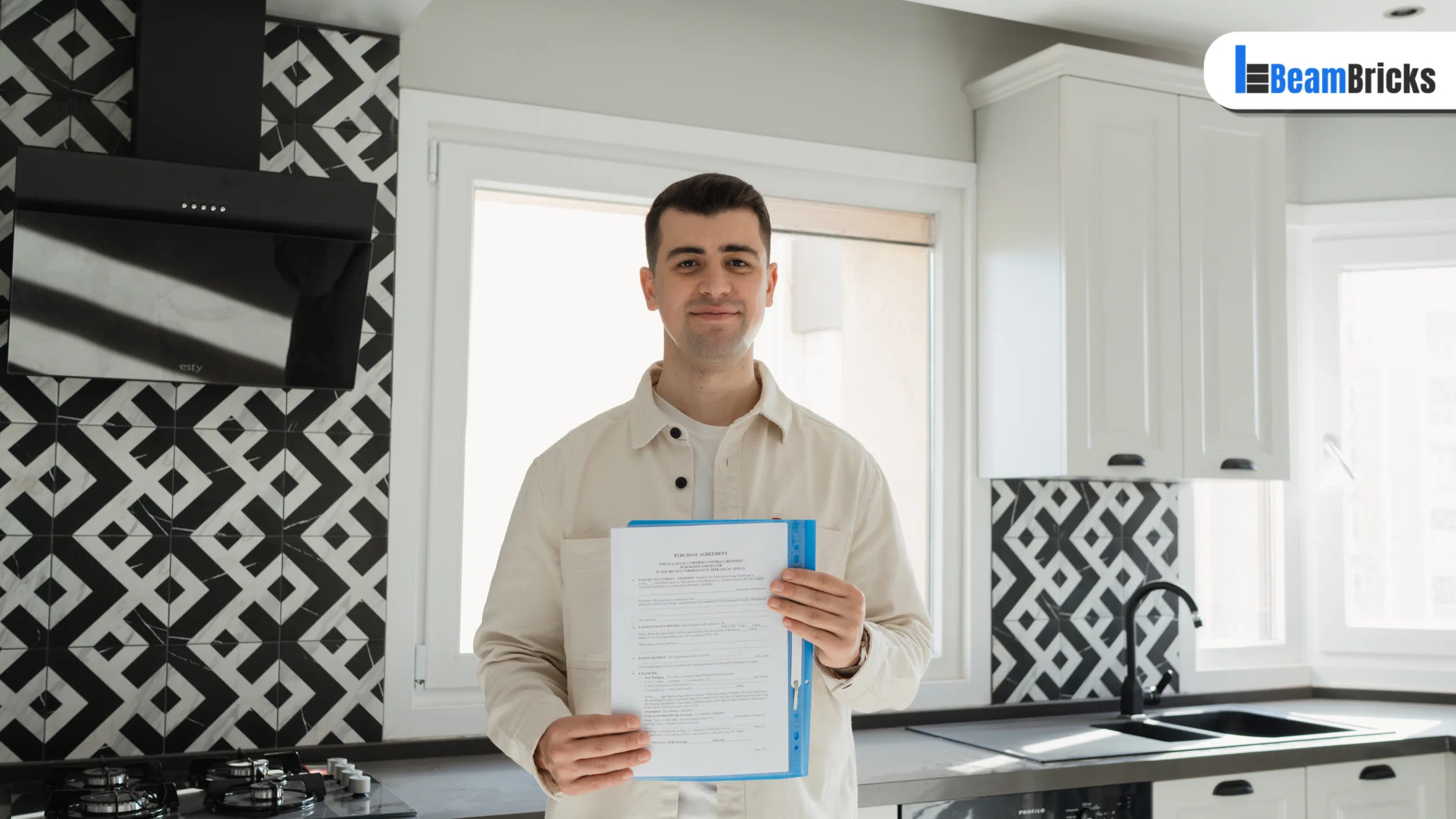
Property search becomes much easier when you know – what you are looking for before you start browsing listings. Without clear requirements, it is easy to save dozens of properties, visit several homes and still feel unsure about – which one actually suits you.
A larger house may look attractive until you realise it is too far from your workplace. A lower priced property may seem like a good deal – until you discover that it needs significant renovation. A beautifully finished home may catch your attention even though its layout does not work for your family.
This is why a better property search should begin with a simple question:
What do I actually need from my next property?
Once your requirements are clear, property listings become a way to find suitable options rather than a source of endless choices.
Why Starting With Listings Can Make Property Search Difficult
Property portals & online listings make it easy to browse hundreds of residential properties.
You can filter by:
- Location
- Property type
- Number of bedrooms
- Price
- Area
- Floor
- Amenities
- Furnishing
- Construction status
This convenience is useful, but it can also create a problem: too many options without enough context.
You may start with a clear budget and preferred location – but quickly find yourself looking at properties that do not meet your original requirements.
- One property has a larger living room.
- Another has a better-looking interior.
- Another is cheaper.
- Another has a newer construction.
- Another has a larger balcony.
After enough browsing, it becomes difficult to remember what your original priorities were.
This is often where property search becomes reactive rather than planned.
Instead of asking:
“Which property fits my requirements?”
you start asking:
“Which of these properties looks the best?”
Those are very different questions.
Start by Defining Your Property Requirements
Before searching for properties – create a basic requirement sheet.
It does not have to be complicated.
Start with these categories –
1. Budget
Decide the maximum property price you are comfortable considering.
But don’t stop at the purchase price.
Your overall property budget may also need to account for applicable registration-related costs, taxes or duties, brokerage where applicable, legal verification, renovation, interiors, moving expenses and other transaction-specific costs.
A property that fits your purchase budget but requires substantial additional spending may not actually fit your overall budget.
2. Preferred Location
Don’t simply decide on a city or locality.
Think about the kind of location – that works for your lifestyle.
Consider:
- Distance from work
- School access
- Healthcare
- Public transport
- Main roads
- Daily shopping
- Family requirements
- Traffic
- Neighbourhood environment
You may also have a preferred locality but be flexible about the exact pocket within it.
For example, buyers exploring Property in Sainik Colony, Faridabad may have different priorities depending on their workplace, family needs and preferred access to everyday facilities.
3. Property Type
Decide what type of property you actually need.
Depending on your requirements, this could include –
- Builder floor
- Independent house
- Apartment
- Residential plot
- Villa
- Other residential property types
This decision can significantly narrow your search.
Someone looking for more privacy and greater control over land and construction may have different requirements from someone who prefers a ready to use residential floor.
If builder floors are on your shortlist, you can explore Builder Floors in Sainik Colony to understand this property category in greater detail.
4. Size and Layout
Instead of saying:
“I want a big house.”
define what “big enough” actually means.
Ask:
- How many bedrooms do I need?
- Do I need a separate study?
- Do I need a home office?
- How many bathrooms are practical?
- How much storage do I need?
- Do I need outdoor space?
- Is a large living area important?
- Do I need space for elderly parents?
- Will my family size change?
This is more useful than focusing only on the advertised square footage.
Two properties with similar built up areas can have very different usable spaces because of their layouts.
If a 2 BHK is sufficient for your current requirements – you may want to explore 2 BHK Builder Floors in Sainik Colony. A growing family – however, may find a 3 BHK more practical for long term use.
Separate Must-Haves From Preferences
This is one of the most useful steps in a property search.
Create two lists.
Must-Haves
These are requirements you are not comfortable compromising on.
For example –
- Maximum budget
- Preferred locality
- Minimum number of bedrooms
- Parking
- Accessibility
- Certain commute requirements
Preferences
These are features you would like to have but can compromise on.
For example –
- Balcony
- Particular floor
- Specific facing
- Modern interiors
- Extra storage
- Larger living room
This distinction helps you evaluate properties more objectively.
A property that lacks a preference may still be an excellent choice.
A property that fails a must-have probably should not remain on your shortlist.
Don't Let Property Photos Decide for You
Property photography is designed to attract attention.
That is not necessarily a problem. But buyers should remember that photographs show only part of the property.
A well-staged home can look impressive online while important details remain difficult to judge.
During a property visit, pay attention to:
- Actual room dimensions
- Natural light
- Ventilation
- Noise
- Road access
- Surrounding buildings
- Parking
- Construction quality
- Water and electricity arrangements
- Signs of dampness or seepage
- Overall condition
The objective is not to find the property with the best photographs.
It is to find the property that best matches your requirements.
Build a Shortlist Before Scheduling Multiple Visits
Once your requirements are defined, use them to filter property listings.
Instead of visiting every property that looks interesting – create a shortlist.
For example –
Initial search: 20 properties
↓
Remove properties outside budget: 12
↓
Remove unsuitable locations: 8
↓
Remove properties that don’t meet space requirements: 5
↓
Compare remaining properties: 3
↓
Schedule site visits: 2–3
This saves time and makes your property search more manageable.
It also gives you a better basis for comparing properties because you are comparing options that are already broadly suitable.
Compare Properties Against the Same Criteria
Once you have a shortlist, don’t evaluate each property differently.
Use the same framework for every property.
Compare:
|
Factor |
Property A |
Property B |
|
Location |
||
|
Property type |
||
|
Price |
||
|
Carpet area |
||
|
Built-up area |
||
|
Layout |
||
|
Construction |
||
|
Parking |
||
|
Natural light |
||
|
Ventilation |
||
|
Property age |
||
|
Documentation |
||
|
Renovation required |
||
|
Accessibility |
||
|
Future suitability |
This prevents one attractive feature from dominating your decision.
For a more detailed approach, see our guide on How to Compare Two Residential Properties Before Buying.
Consider the Total Cost, Not Just the Property Price
Property buyers naturally focus on the asking price.
But the actual cost of buying a home can be higher.
Depending on the transaction, you may need to consider:
- Registration-related charges
- Applicable stamp duty
- Brokerage
- Legal verification
- Loan-related expenses
- Renovation
- Interiors
- Repairs
- Moving costs
- Maintenance
This is particularly important when comparing an older property with a newly constructed one.
A lower priced property that requires significant renovation – may not provide the savings you initially expected.
Similarly, a newly constructed property may command a higher price but require less immediate work.
The right comparison is therefore:
Total expected cost + suitability + condition + long-term usefulness
—not simply the advertised price.
Think About Your Future Requirements
A property should work for more than the day you buy it.
Consider what your life may look like over the next few years.
For example –
- Will your family grow?
- Will elderly parents move in?
- Could you start working from home?
- Will you need additional parking?
- Will children need separate rooms?
- Could your financial situation change?
- Would the property still be suitable if you wanted to sell later?
This doesn’t mean – you should buy the biggest property you can afford.
It means you should avoid choosing a property that becomes unsuitable too quickly.
Don't Assume the Most Expensive Property Is the Best
A higher price does not automatically mean better value.
Similarly – the cheapest property is not necessarily a bargain.
Property value can be influenced by –
- Exact location
- Plot size
- Usable area
- Construction quality
- Property age
- Layout
- Parking
- Road access
- Natural light
- Documentation
- Condition
- Local demand
The right question is:
Which property offers the best combination of features that matter to me within my budget?
That is a much better basis for making a property-buying decision.
What If You Don't Know Exactly What You Need?
Not every buyer begins with a perfectly defined requirement.
You may know your approximate budget but be unsure whether you need a 2 BHK or 3 BHK.
You may know the locality but not whether a builder floor or independent house would be more suitable.
That’s okay.
Your initial requirements can be flexible.
The important thing is to identify your priorities.
For example:
“I want a property in Sainik Colony within my budget, suitable for a family of four, with parking and easy access to everyday facilities.”
That is already much more useful than simply saying:
“Show me properties in Sainik Colony.”
Your requirements give the search direction.
The listings then help you explore what is actually available.
How BeamBricks Approaches Property Search
At BeamBricks, we believe property search should begin with the buyer rather than an endless list of available properties.
Our approach starts by understanding:
- Your budget
- Preferred location
- Property type
- Space requirements
- Family needs
- Parking requirements
- Lifestyle priorities
- Future plans
We then use our local property network to explore options that may be relevant to those requirements.
The objective is not to overwhelm you with every available property.
It is to help you identify options worth considering, compare them and make your own decision.
This is particularly useful – when buyers are unsure where to start or don’t want to spend their time sorting through unsuitable listings.
We don’t sell properties. We filter them for you.
A Simple Property Search Framework
Before you start browsing listings, follow this sequence:
1. Define your budget
Know “what you can realistically spend.”
2. Identify your preferred locations
Separate preferred areas from acceptable alternatives.
3. Choose your property type
Decide whether you need a builder floor, independent house, plot or another property type.
4. Define your minimum space requirement
Think in terms of bedrooms, usable area & layout.
5. List your must haves
Identify the things you cannot compromise on.
6. Add your preferences
Keep desirable features separate from essential ones.
7. Filter property listings
Remove options that don’t meet your basic requirements.
8. Shortlist suitable properties
Compare the remaining options using the same criteria.
9. Visit the strongest options
Inspect the actual property – rather than relying only on online listings.
10. Verify before committing
Review relevant ownership, documentation, financial and legal aspects before proceeding.
Final Takeaway
A good property search does not start with “What properties are available?” It starts with “What property do I actually need?”
Once your requirements are clear, online listings become much more useful.
You can filter out unsuitable properties, reduce unnecessary site visits, compare relevant options and focus your attention on homes – that genuinely fit your lifestyle and budget.
The goal is not to find the property with the longest list of features.
It is to find the property where the location, space, condition, price and future suitability make sense for you.
And sometimes, finding that property starts by knowing “what you are willing to say no to.”
Frequently Asked Questions
Start with your budget, preferred location, property type, minimum space requirement and essential features - such as parking or accessibility. Then separate your must have requirements from features - that would simply be nice to have.
Consider your "family size, budget, desired level of privacy, space requirements, maintenance preferences & future plans." A builder floor, independent house, apartment or residential plot can suit different needs - so the right property type depends on your circumstances rather than a universal ranking.
There is no fixed number. The objective should be to shortlist a small number of properties that meet your essential requirements - rather than visiting as many properties as possible. Comparing a few relevant options can be more useful than - visiting dozens of unsuitable ones.
Ideally, define both your budget & preferred location before browsing listings. A property that fits your budget but does not work for your daily commute or family requirements may not be practical - while a property in your preferred location may be unsuitable if it exceeds your overall budget.
Use the same comparison criteria for every property. Compare location, total cost, usable area, layout, construction quality, parking, documentation, condition and future suitability. Give greater importance to your must-have requirements rather than choosing based on appearance or one attractive feature.
Share: